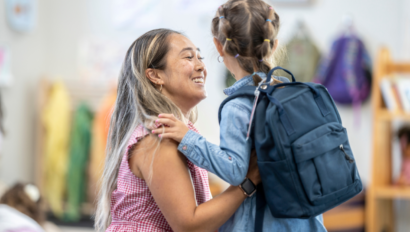
The Play-Based Approach to Potty Learning: Tips for Families
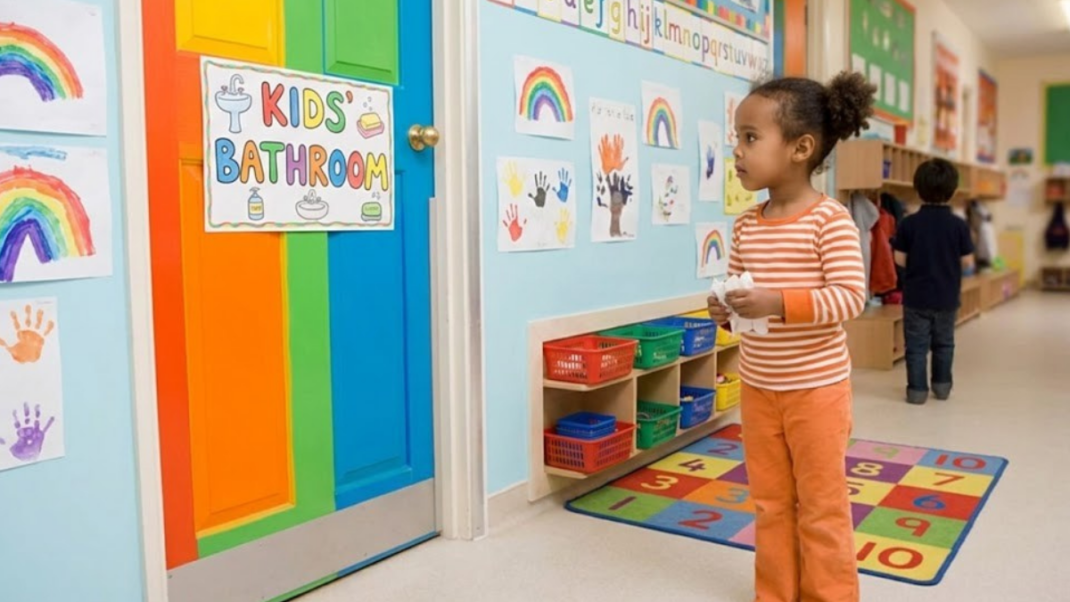
Quick Answer
A play-based preschool approaches potty learning the same way it approaches everything else: by meeting your child where they are, building it into the daily routine, and keeping you in the loop the whole time. There’s no fixed timeline and no pressure to get there by a certain date. Readiness looks different for every child. And when home and school are working from the same playbook, children tend to move through this milestone with a lot less stress than most families expect.
Most parents just want a straight answer on this one
If you’ve been searching for a play-based preschool in Antioch, IL or nearby communities like Lindenhurst, IL, McHenry, IL, and Volo, IL, here’s what the potty learning process looks like in a quality program.
Here’s the thing about timing
There’s a reason experienced play-based teachers don’t rush this. Pushing before your child is ready doesn’t speed things up — it usually just adds stress for everyone, including your little one. What teachers look for instead are real signs that your child is getting there: staying dry for longer stretches, showing curiosity about the bathroom, starting to notice when they’re wet, and beginning to manage their own clothing.
Head Start’s guidance on toileting independence is clear that both physical and emotional readiness matter, and that timing should follow the child, not the calendar. A good play-based teacher will let you know when they’re seeing those signs at school. You won’t be left guessing.
How the daily schedule does a lot of the work
One of the things families appreciate most about play-based programs is how naturally potty learning fits into the rhythm of the day. We blend potty learning into our purposeful daily schedule. By offering breaks before sensory exploration or after outdoor play, we create a safe, dependable rhythm that builds social skills and critical thinking. This consistent routine helps your child feel secure and empowered to take the next step. Over time your child starts to anticipate those breaks on their own. Then they start to self-initiate. That’s the progression, and it tends to happen gently and steadily when the routine stays consistent.
What staying connected with the school actually looks like
Zero to Three puts it simply: caregivers in different settings should be using the same language, the same approach to accidents, and the same level of patience. A strong play-based program makes that easy. At drop-off and pick-up, teachers share what they observed during the day. If your child had a hard time, you’ll know. If they had a breakthrough, you’ll hear about it. That communication loop is part of what makes this whole thing manageable.
What happens when there’s an accident
And they will — and that is completely okay. Accidents are not setbacks. They are just part of learning something new.
In a play-based classroom, accidents are handled with the same calm and care that shapes everything else in the room. Your child gets helped into fresh clothes, reassured with a kind word, and the moment moves on without any fuss. Teachers know that how adults respond in these moments shapes how children feel about the whole process. So nothing about it is made to feel like a big deal. Extra clothing is always at school, and you will always be kept in the loop without any alarm.
Frequently Asked Questions About Potty Learning
When should potty learning begin at a play-based school?
Most children show readiness signs somewhere between 18 months and 3 years, though that window is wide for a reason — every child really is different. A quality play-based program does not set a firm age requirement. Teachers watch for readiness cues and reach out when they start seeing them. If you are already noticing signs at home, share that with your child’s teacher so you can start building a consistent approach on both ends from the beginning.
What if my child is resistant or seems uninterested in potty learning?
Resistance usually means the timing isn’t quite right, or your child needs a bit more time to feel safe and ready. Play-based teachers don’t push or pressure. They keep offering low-stakes bathroom opportunities and stay in close communication with you about what they’re seeing. If it continues, the team will work with you to figure out what might help on both ends. You don’t have to troubleshoot this on your own.
Does my child need to be potty trained before enrolling in a play-based preschool?
This depends on the program. Some play-based schools support potty learning as part of daily classroom life and welcome children who are still in process. Others have a readiness requirement before a child starts. Ask directly during your tour, and make sure you understand how the school handles accidents during the school day.
How do I keep potty learning consistent between home and school?
Stay in close communication with your child’s teacher. Ask what language they use, how often they offer bathroom breaks, and how they respond when there’s an accident. Then match that approach at home as much as you can. Consistency on both ends is the thing that makes the biggest difference. When your child gets the same calm, steady response in both places, the process tends to move forward a lot more smoothly.
Come see it for yourself
Families in Antioch, IL or nearby communities like Lindenhurst, IL, McHenry, IL, and Volo, IL choose A Child’s Place Early Learning Center because we provide an elevated, intentional environment where children thrive. Through every milestone, we offer the stability and care your family deserves. We’d love to show you what that looks like in person. Schedule a tour today.
Related Posts
All Posts
Questions to Ask at Meet the Teacher Night and What to Listen For